ADHD and Hunger: Why "Just Listen to Your Body" Doesn't Work for Everyone
If you have ADHD and regularly go most of the day without eating — only to crash hard at the end of it, ravenous and overwhelmed — you're not broken, and you're definitely not "just not listening to your body." There's actually a neurological reason this happens, and it has everything to do with a system called interoception.
This blog post is adapted from my youtube video on the same topic - Check it out! https://www.youtube.com/watch?v=0QcrJIotdD8&t=300s
What Is Interoception (And Why Does It Matter for ADHD)?
Interoception is your brain's ability to sense what's going on inside your body. Think of it as your body's internal notification centre — it's constantly sending signals about hunger, fullness, thirst, temperature, emotions, stress, and even the need to use the bathroom.
For people with ADHD, this internal notification system is often turned way down. Because ADHD brains are wired to be more externally motivated — pulled toward stimulating or rewarding things in the environment — quieter internal signals like hunger are much easier to miss. Add in hyperfocus, stimulant medication, and differences in dopamine levels, and those signals can go almost completely unnoticed.
Some everyday examples of lower interoceptive awareness:
Only noticing you're thirsty when a water bottle is literally in front of your face
Realising mid-afternoon that you desperately need to pee
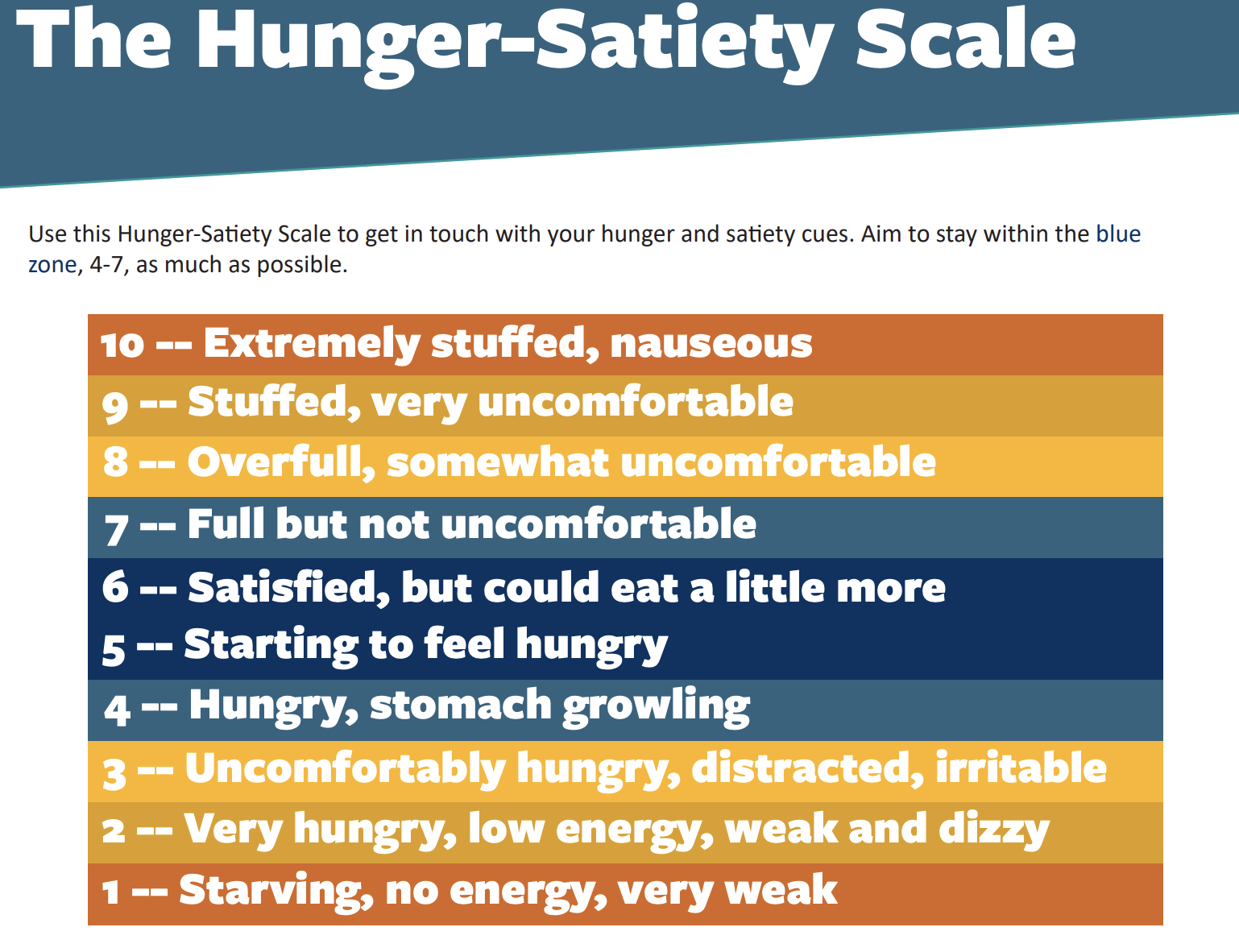
Not feeling hungry until you're at a 9/10 — completely ravenous — rather than catching it at a gentle 3/10
Difficulty recognising fullness signals after eating
Why Eating Regularly Is So Hard With ADHD
It's not just interoception. There are several layers to why regular eating is a genuine challenge:
Mornings are already a lot. Many people with ADHD aren't hungry first thing — partly because stress hormones suppress appetite, and partly because breakfast requires a surprising amount of executive function: deciding what to eat, finding ingredients, preparing food, eating, and cleaning up. When executive function is already stretched, breakfast often just doesn't happen.
Throughout the day, food gets forgotten. Hyperfocus pulls attention away from body signals entirely. Stimulant medication further suppresses appetite. Sensory sensitivities around taste, texture, and smell can narrow food choices significantly. And the sheer decision-making involved in eating every few hours — what to eat, whether you have it, how to prepare it — can feel genuinely overwhelming.
The result? Skipping meals becomes the path of least resistance, blood sugar destabilises, energy and focus tank, ADHD symptoms worsen, and by evening the hunger is so intense it can lead to overeating or binge eating. It's a cycle, not a character flaw.
How to Start Strengthening Your Interoceptive Awareness

The good news: interoception is like a muscle. It can be built up over time with small, consistent practice. Here's where to start:
Eat something in the morning — anything. It doesn't need to be a full meal. Even something small helps stabilise blood sugar early and begins to regulate your appetite hormones over time. Easy options: a protein shake, yogurt with berries, toast with peanut butter, a granola bar, or a handful of nuts.
Aim to eat every 3–4 hours. Again, it doesn't have to be a big meal. Including protein and complex carbs will do the most for blood sugar stability and sustained energy. The more regularly you eat, the more regular your hunger signals will become.
Keep food visible. With ADHD, out of sight really is out of mind. Keep a snack on your desk — dried fruit, nuts, a granola bar — as a visual cue to eat throughout the day.
Use external reminders. Phone alarms, sticky notes, or a simple habit of checking in every few hours: When did I last eat? Am I thirsty? How's my energy? These small pauses bring your attention back to your body, which is exactly what builds interoceptive awareness over time.
Try body awareness practices. Anything that brings attention inward counts — stretching, dancing, a 5-minute breathing video on YouTube, a short ADHD-friendly meditation. Even a quick stretch break reconnects you with your body.
Practice noticing during meals. Before you eat, pause and notice: Does your mouth water? Is your stomach growling? Does your stomach feel empty? After eating, notice whether your focus improves, your brain fog lifts, or your energy shifts. Try doing this without a screen occasionally — not every meal, but some.
Check in before bed. Notice what tiredness actually feels like in your body. Are your eyes heavier? Are your muscles relaxed? What does it feel like to lie down? This kind of body-checking at any point in the day builds the same skill.
The Bottom Line
If you have ADHD and struggle with hunger cues, it doesn't mean your hunger signals aren't there. They usually are — they're just quieter and harder to interpret. "Just listen to your body" is advice built for neurotypical nervous systems. For ADHD brains, it takes a different approach: structure, visibility, reminders, and gradually rebuilding that internal awareness over time.
With the right support, noticing your body's signals more regularly — and with more ease — is absolutely possible.