Unpacking the Gut-Brain Axis: How Your Microbiome Influences ADHD
This blog post is adapted from the youtube video - watch it here!
Have you ever heard the gut referred to as the “second brain”?
If you have ADHD, the connection between what’s happening in your digestive tract and what’s happening in your head is far more than just a coincidence—it’s a direct, continuous communication network.
One of my biggest special interests is learning how different systems in the body influence ADHD, and how we can use nutrition and daily habits to better support our unique brains.
Let’s break down what the gut-brain axis is, how neuroinflammation links the two, and actionable ways you can nourish your gut to support your brain.
What Exactly Is the Gut-Brain Axis?
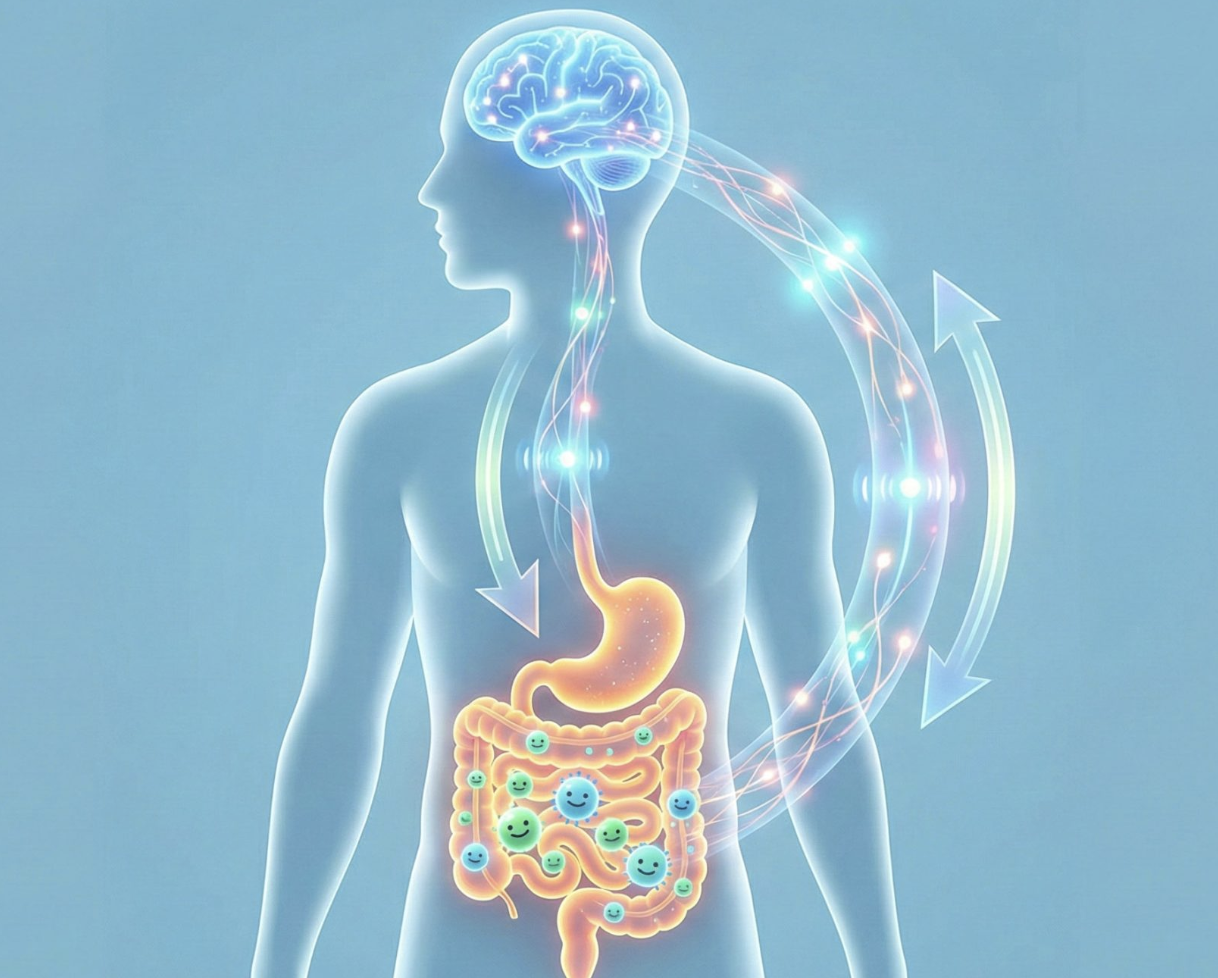
The gut-brain axis is a bidirectional communication system. That’s one way of saying your brain talks to your gut, and your gut talks right back to your brain.
This cross-talk happens through several key highways in the body:
The Vagus Nerve: Running from the brainstem all the way down through the chest and abdomen, the vagus nerve connects your brain directly to your gut and major organs, helping maintain homeostasis (your body’s steady, balanced state).
Neurotransmitters: Your gut microbiota actually produces a massive portion of the chemical messengers your brain relies on every single day.
The Immune System: A vast majority of your immune cells reside in the gut, fighting off pathogens and managing inflammation.
Hormones & Metabolic Pathways: Your gut breaks down food into raw energy and building blocks, while also helping regulate and produce critical hormones.
You can’t truly separate gut health from brain health—they overlap at nearly every level.
ADHD: From Gut Dysbiosis to Neuroinflammation
So, how does all of this directly relate to ADHD?
To understand the connection, it helps to follow the step-by-step journey of how imbalance in the gut can travel all the way up to the brain.
Gut Dysbiosis ➔ Damaged Gut Lining ➔ Systemic Inflammation ➔ Compromised Blood-Brain Barrier ➔ Neuroinflammation ➔ Disrupted Neurotransmitters
1. Gut Dysbiosis
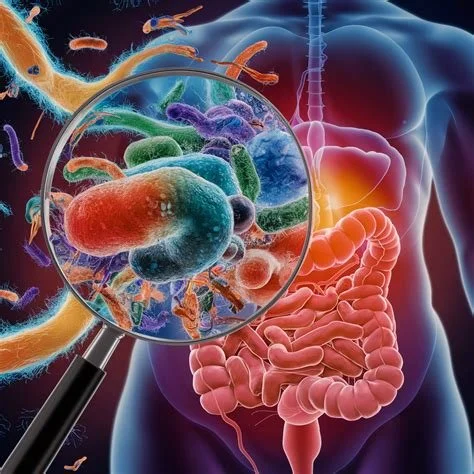
In people with ADHD, research shows a distinct difference in the relative abundance of certain gut bacterial strains compared to neurotypical individuals. When the balance tips toward higher amounts of unhelpful bacteria, we enter a state called gut dysbiosis.
2. Compromised Gut Barrier
When dysbiosis persists, it puts strain on the gut lining. Normally, the small intestine acts as a selective filter—absorbing nutrients into the bloodstream while keeping waste and bacteria inside the digestive tract. But long-term dysbiosis can weaken this lining, allowing unwanted particles to seep into circulation.
3. Systemic Inflammation & Cytokines
Once these unwanted particles enter the bloodstream, the immune system responds by releasing signaling proteins called pro-inflammatory cytokines. What started as localized irritation in the gut expands into widespread, chronic inflammation throughout the body.
4. Crossing the Blood-Brain Barrier
Just like the gut has a lining, the brain is protected by the blood-brain barrier. Chronic systemic inflammation can compromise this barrier over time. Pro-inflammatory cytokines make their way into the brain, triggering neuroinflammation (inflammation of brain tissue).
5. Neurotransmitter Disruption
Neuroinflammation impacts the brain's ability to efficiently produce and transmit neurotransmitters. Key messengers affected include:
Dopamine & Norepinephrine: Crucial for motivation, focus, executive function, and task completion.
GABA & Serotonin: Essential for emotional regulation, calm, and mood balance.
Acetylcholine: Key for memory and cognitive processing.
When these chemical pathways are disrupted by inflammation, ADHD symptoms like brain fog, emotional dysregulation, and executive dysfunction can become more severe.
How to Support Your Gut-Brain Axis
The great news? Nutrition is one of the most powerful ways to intervene, lower systemic inflammation, and support your gut microbiome. Here are practical ways to nourish your gut for brain health:
1. Eat a Variety of Colourful Plant Foods
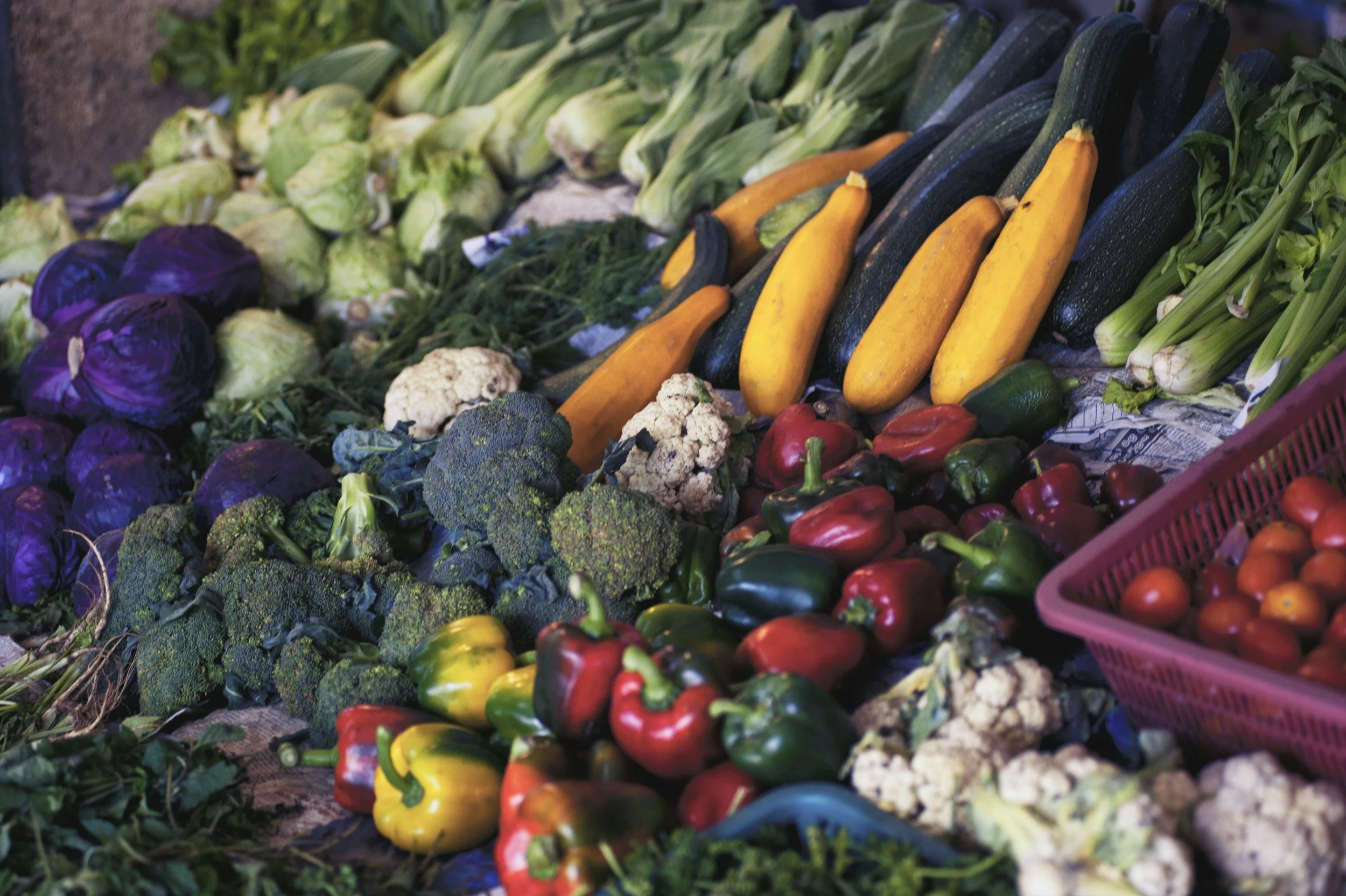
Fruits and vegetables—especially brightly colored ones like berries, carrots, squash, and dark leafy greens—are packed with antioxidants. Antioxidants are your body’s best natural defence against chronic inflammation.
Tip: Fresh from a local market is wonderful, but frozen fruits and vegetables are just as nutrient-dense! They are frozen right at peak harvest, making them a budget-friendly and accessible option.
2. Prioritize Fiber (Prebiotics)
Fiber plays two essential roles:
Motility: It adds bulk to move waste out of your body efficiently, preventing toxins from accumulating in the intestines.
Prebiotics: Fiber acts as fuel for your beneficial gut bacteria (probiotics).
3. Add Fermented & Probiotic Foods
Directly introduce beneficial bacteria to your digestive system through fermented foods:
Kimchi & Sauerkraut
Plain or Greek Yogurt
Miso paste
Fresh, minimally processed produce
4. Don't Skip the Beans
Beans are a nutrition powerhouse! Beyond providing plant protein and fiber, the fiber in beans is fermented by gut bacteria into short-chain fatty acids (SCFAs). SCFAs actively help repair the gut lining and provide protective, anti-inflammatory energy for the brain.
5. Incorporate Nourishing Broths
Bone broth is rich in amino acids (like glutamine) that help repair and maintain the integrity of the gut lining. If you follow a plant-based diet, rich mushroom or vegetable broths offer soothing hydration and antioxidants to support the gut wall.
Final Thoughts
Understanding your body empowers you to make choices that truly support how your brain functions. Supporting your gut isn't about perfection—it's simply about adding more colourful, fiber-rich, and nourishing foods into your routine where you can.